latest articles


Oct 22, 2026
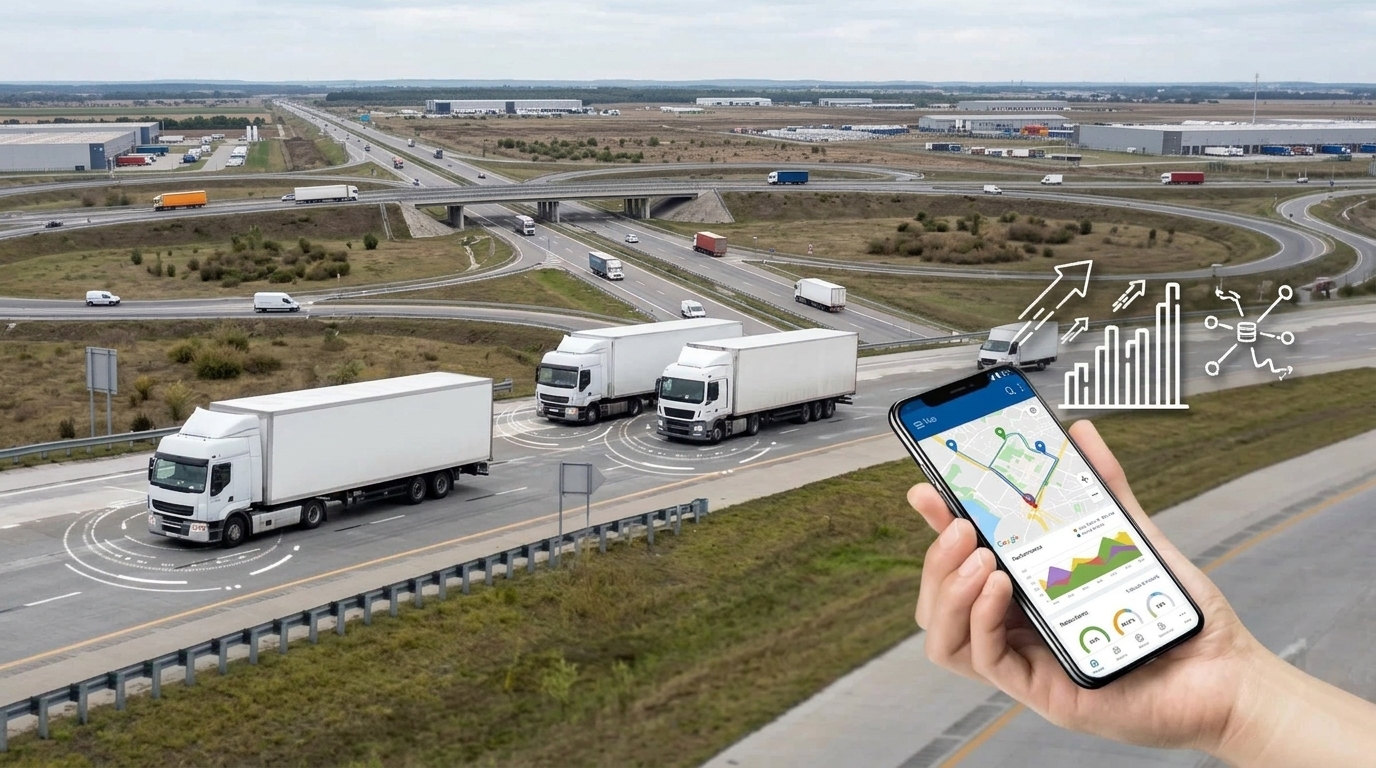
Learn how to choose the right fleet management software for your business by exploring essential features, including real-time GPS tracking, preventive maintenance, fuel management, route optimization, and data analytics. Discover how effective system integration, team training, and continuous monitoring can improve operational efficiency, enhance driver safety, reduce costs, and support long-term business growth with AFAQY’s fleet management solutions.

Oct 22, 2026
Discover how AFAQY’s Automatic Vehicle Location (AVL) solutions help businesses improve fleet visibility, optimize routes, monitor driver behavior, control fuel consumption, and reduce operational costs. Learn how real-time tracking, geofencing, instant alerts, maintenance notifications, and data-driven analytics enhance fleet efficiency, safety, and customer satisfaction across multiple industries.
Oct 20, 2026
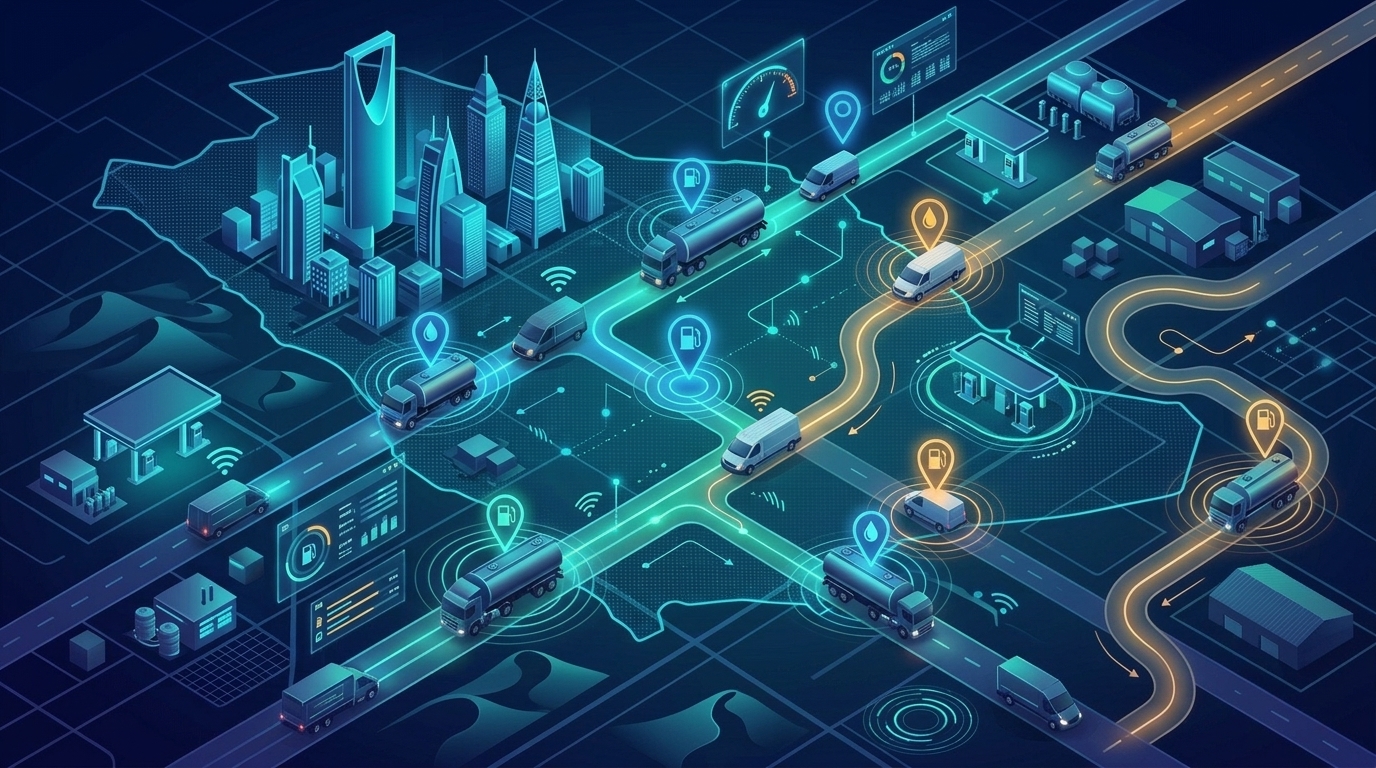
Fuel management in Saudi Arabia is becoming increasingly complex as demand rises and the economy diversifies under Vision 2030. With growing energy consumption, market fluctuations, and environmental pressures, the Kingdom is focusing on smarter strategies like advanced fleet technologies, alternative fuel vehicles, and stricter efficiency standards. Afaqy supports this transformation with intelligent solutions that help businesses monitor fuel usage, reduce costs, and improve overall operational efficiency.
Oct 19, 2026
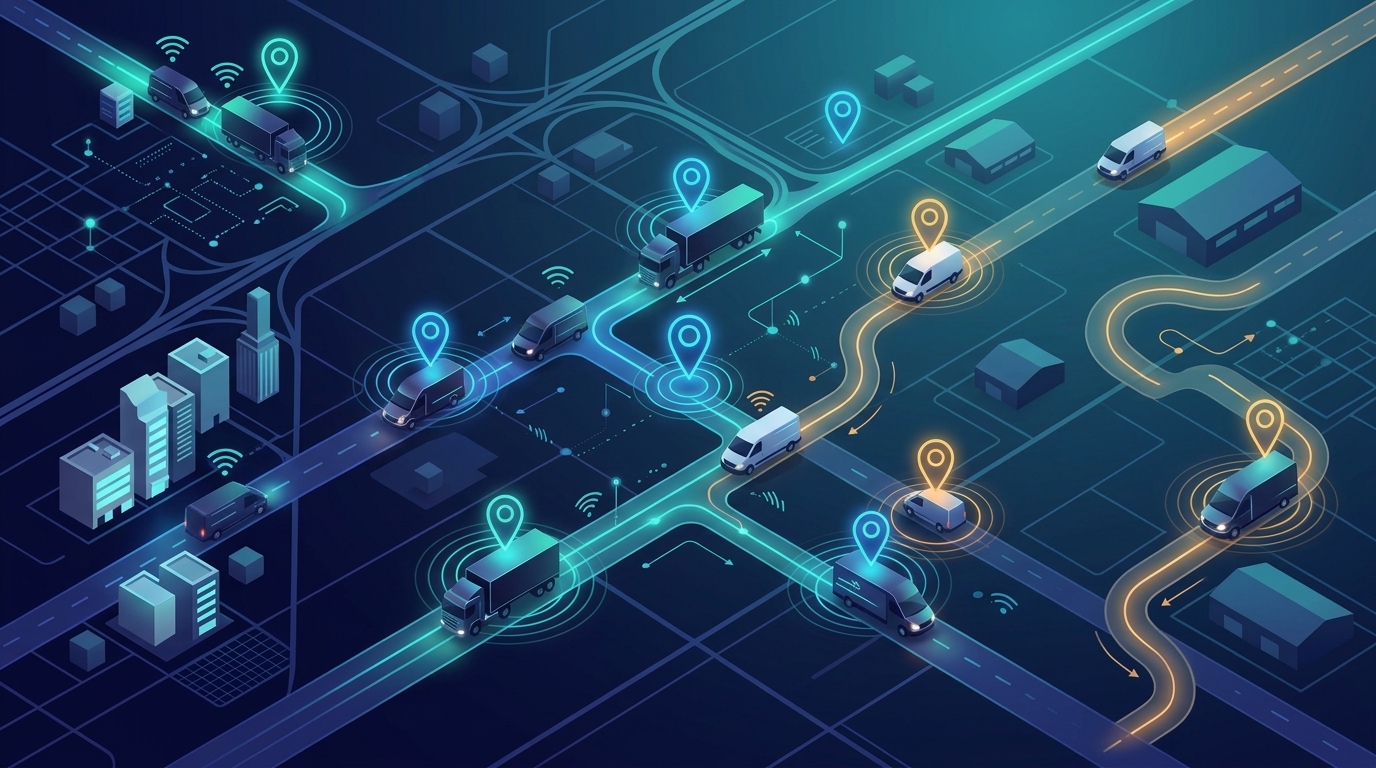
GPS tracking is a powerful tool for optimizing fleet operations, reducing costs, and improving productivity. By providing real-time vehicle visibility and actionable insights, GPS tracking helps fleet managers optimize routes, control fuel consumption, schedule preventive maintenance, monitor driver behavior, enhance safety, and improve regulatory compliance and customer satisfaction. Discover how GPS tracking can transform fleet management and how AFAQY’s tailored solutions help businesses monitor, manage, and protect their assets more efficiently.
Oct 19, 2026
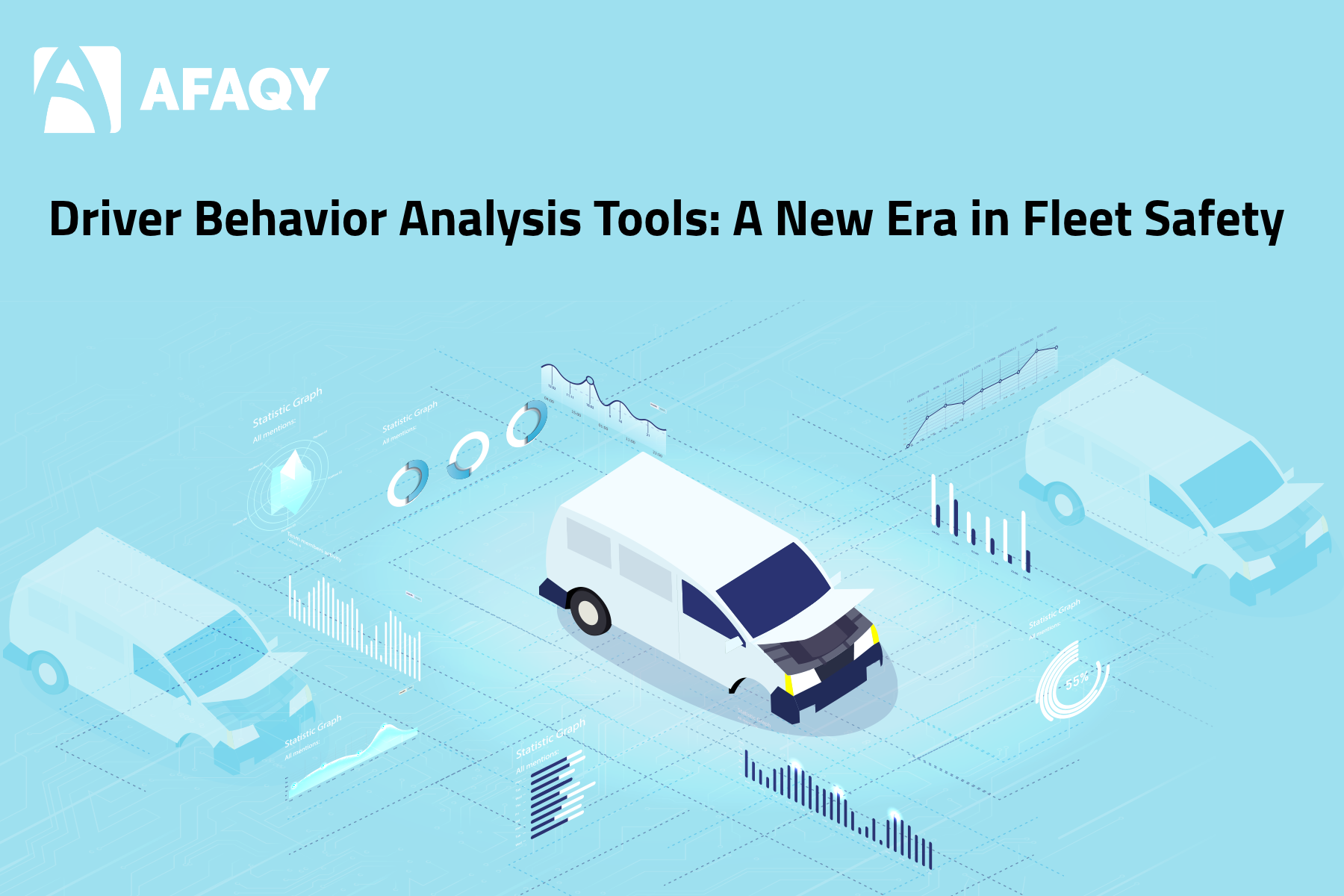
Discover how AI-powered driver behavior analysis tools help fleet managers identify unsafe driving habits, prevent accidents, reduce fuel and maintenance costs, and improve overall fleet performance. Learn how GPS tracking, AI cameras, and sensors provide real-time insights into driver performance, and explore five practical steps to build a safer driving culture through data-driven decisions, clear safety policies, continuous training, and driver recognition.

Oct 11, 2026
Leveraging IoT and telematics enables Saudi construction companies to overcome key operational, compliance, and safety challenges. By integrating solutions like Proximity Warning Alert Systems (PWAS), RFID-based fuel theft prevention, and smart sensors that track engine versus operating hours, AFAQY’s telematics technologies help contractors protect workers, optimize asset utilization, cut costs, and support Vision 2030 goals.
Jun 29, 2026
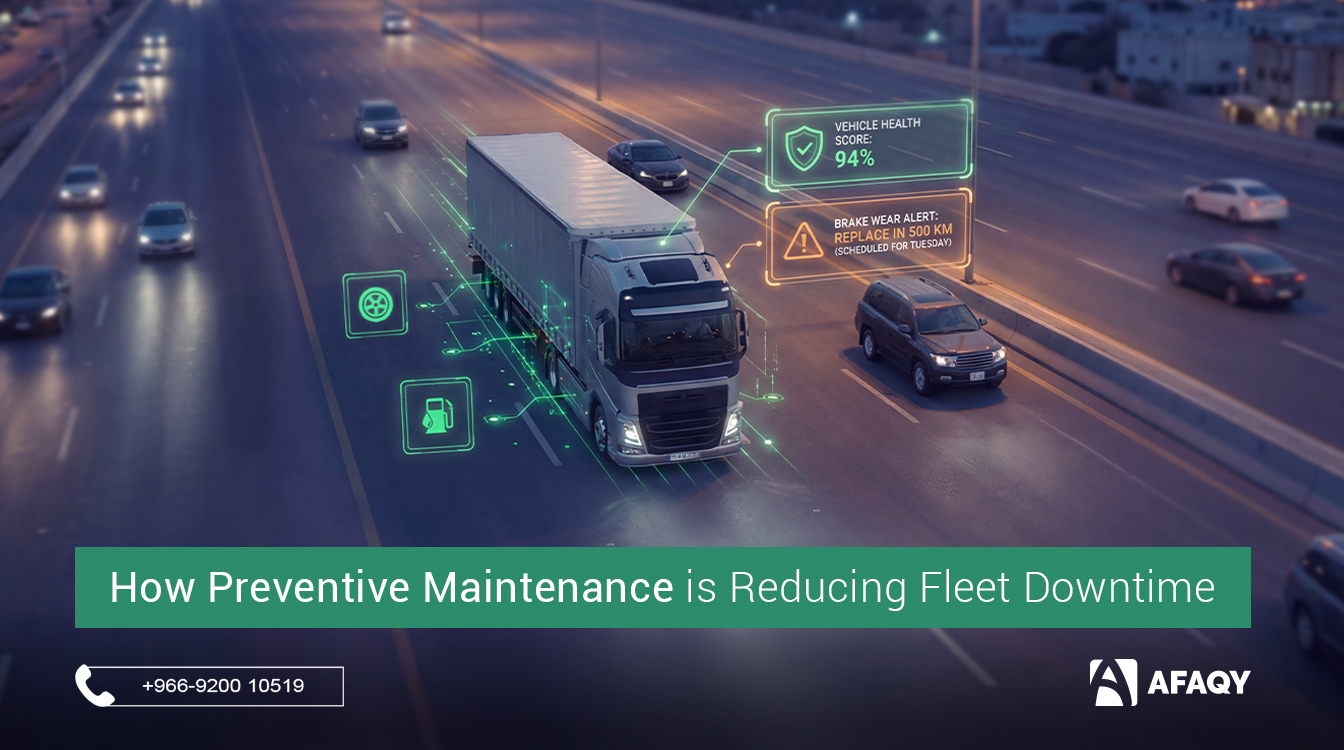
Preventive maintenance helps reduce unexpected breakdowns, lower repair costs, and keep your fleet operating efficiently. Discover how a proactive maintenance strategy and fleet management software can improve uptime, safety, and vehicle performance.

Jun 17, 2026
Selecting a fleet management solution requires careful evaluation of quotations to ensure the best fit for operational needs. Key considerations include understanding pricing structures, identifying hidden costs, assessing system integrations, and evaluating usability, scalability, and support services. By comparing multiple options and focusing on long-term value and ROI, businesses can make informed decisions that enhance efficiency, reduce costs, and optimize fleet performance.

Jun 17, 2026
Managing cash-in-transit operations in Riyadh requires advanced fleet management solutions to address security risks, high operational costs, and delivery delays. Effective systems combine real-time GPS tracking, route optimization, driver monitoring, and predictive maintenance to enhance safety, efficiency, and compliance with regulations. Key features such as geofencing, data encryption, and connected cameras ensure full control and protection of cash movements, while data-driven insights help reduce fuel consumption, minimize downtime, and optimize overall operational performance.